
Weight Loss Myths: What Actually Matters (And What Doesn’t)
Weight loss advice is everywhere — social media posts, WhatsApp forwards, celebrity routines, and dramatic before-and-after stories. Unfortunately, much of this information creates confusion rather than clarity.
Myths around food, dieting, and exercise often sound convincing but rarely stand up to science or long-term results. If you’ve ever felt overwhelmed or frustrated by weight-loss advice, you’re not alone.
Let’s break down the most common weight-loss myths and replace them with practical, sustainable truths that actually work for real people.
Myth 1: Healthy Eating Is Too Expensive
Eating well doesn’t require imported superfoods or expensive meal plans. Simple, seasonal, and minimally processed foods are often the most affordable.
Smart habits that keep costs low:
- Planning meals in advance
- Buying local and seasonal produce
- Choosing whole grains and pulses
- Using basic staples like lentils, rice, eggs, and vegetables
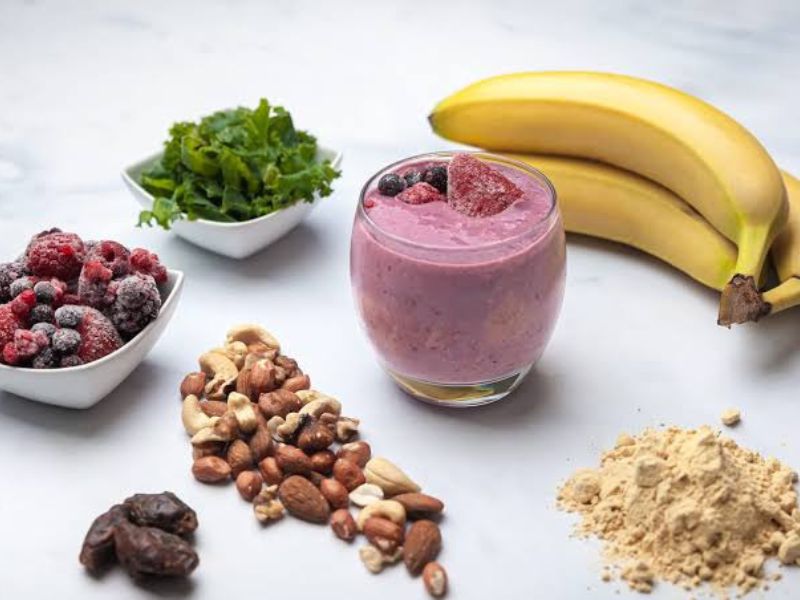
- Using frozen fruits and vegetables when fresh isn’t available
Truth: Consistency and food choices matter more than price tags.
Myth 2: There’s a Magic Food That Burns Fat
No single food melts fat, boosts metabolism overnight, or cancels out poor habits.
Claims around detox drinks, fat-burning fruits, or miracle food combinations are marketing — not science.
Weight loss happens when overall energy intake is balanced with activity over time. Fiber- and protein-rich foods help with fullness, but they don’t erase calories.
Truth: Patterns matter more than products.
Myth 3: Carbohydrates Make You Fat
Carbohydrates are the body’s preferred energy source, especially for the brain and muscles.
The issue isn’t carbs — it’s highly processed foods, oversized portions, and low activity levels.
Whole carbohydrates such as:
- Fruits
- Vegetables
- Legumes
- Whole grains
Support digestion, energy, and long-term weight management.
Truth: Quality and portion size matter more than elimination.
Myth 4: Skipping Meals Helps You Lose Weight Faster
Skipping meals often backfires.
It can lead to:
- Low energy
- Strong cravings
- Overeating later in the day
- Poor food choices
Regular meals help stabilize blood sugar, improve appetite control, and support focus.
Truth: Sustainable weight loss is built on regular, balanced meals.
Myth 5: Low-Fat or Fat-Free Means Healthier
Many low-fat products compensate for taste by adding extra sugar or sodium.
Fat plays a vital role in:
- Hormone balance
- Nutrient absorption
- Satiety and fullness
Healthy fats from nuts, seeds, oils, dairy, and fish help reduce unnecessary snacking.
Truth: The type of fat matters more than avoiding fat altogether.
Myth 6: Cutting Out Entire Food Groups Is the Answer
Eliminating food groups may cause short-term weight loss, but it rarely leads to long-term success.
Restrictive diets increase the risk of:
- Nutrient deficiencies
- Low energy
- Rebound weight gain
Unless medically required, dietary variety supports better adherence and overall health.
Truth: Balance beats restriction every time.
Myth 7: Drinks Don’t Affect Weight
Liquid calories are easy to underestimate.
Calories from sugary drinks, flavored coffees, alcohol, and packaged beverages can add up quickly without making you feel full.
Water is the best hydration choice, while milk and unsweetened beverages can be included in moderation.
Truth: What you drink matters just as much as what you eat.
Myth 8: Crash Diets Work If You’re Disciplined Enough
Crash diets stress the body, affect mood, slow metabolism, and often lead to weight regain.
Rapid weight loss is usually water and muscle — not fat.
Lasting results come from small, repeatable changes you can maintain for years.
Truth: Slow progress is still progress — and it lasts longer.
What Actually Works for Weight Loss
Successful weight loss isn’t about perfection — it’s about consistency.
- Eat a wide variety of whole foods
- Be mindful of portion sizes
- Move your body regularly
- Sleep well and manage stress
- Avoid extreme rules
- Focus on habits, not shortcuts
Weight loss is not a punishment. It’s a process of understanding your body and supporting it better.
Final Takeaway
There’s no secret formula, no forbidden food, and no universal diet that works for everyone.
The most effective approach is one you can sustain, enjoy, and adapt as life changes.
When it comes to weight loss, science matters — but so do patience, balance, and self-respect.
Small changes, done consistently, will always outperform extreme solutions.