
Should You Eat Before or After a Workout?
You can eat both before and after a workout, but the best timing depends on your goal, workout intensity, meal size and how your body feels. A pre-workout meal can help provide energy for training, while a post-workout meal can support recovery and muscle repair.
Is It Better to Eat Before or After a Workout?
There is no single answer that works for everyone. If you train hard, exercise for a long duration or feel weak when working out on an empty stomach, eating before training may help improve energy and performance.
After training, eating a balanced meal containing protein and carbohydrates can help support recovery, replenish energy stores and provide nutrients needed for muscle repair.
Before workout = fuel for performance
After workout = support for recovery
What Should You Eat Before a Workout?
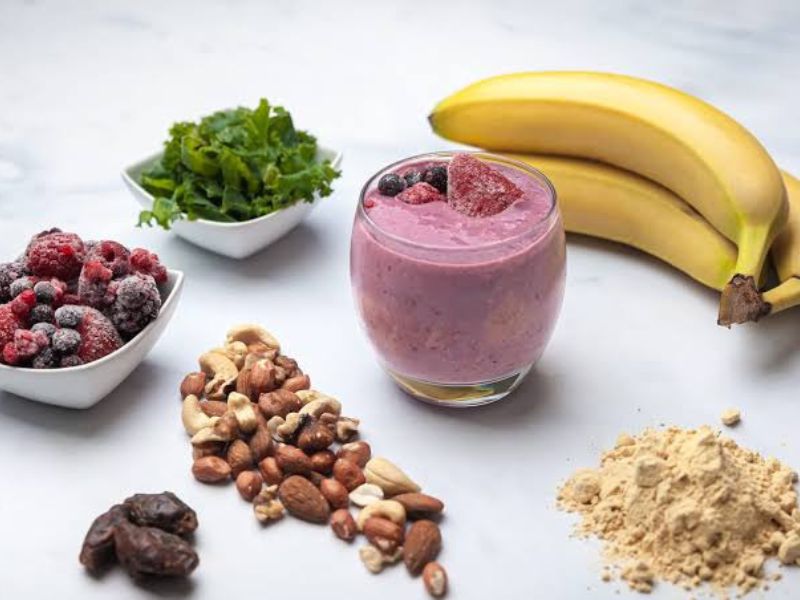
A good pre-workout meal should provide energy without making you feel too heavy. In most cases, carbohydrates and some protein work well before exercise.
Carbohydrates are an important fuel source during moderate- to high-intensity training, while protein can help support muscle protein balance.
- Banana with curd
- Oats with milk
- Toast with peanut butter
- Rice with paneer
- Fruit with yogurt
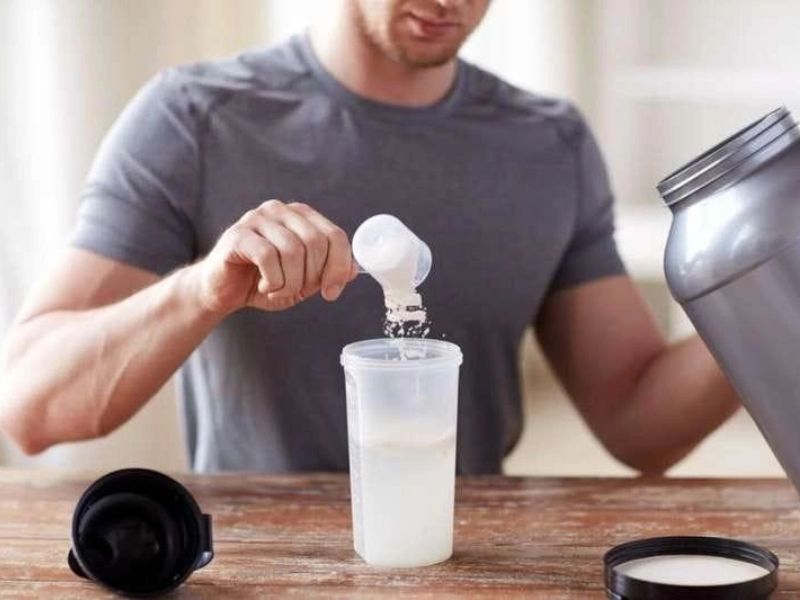
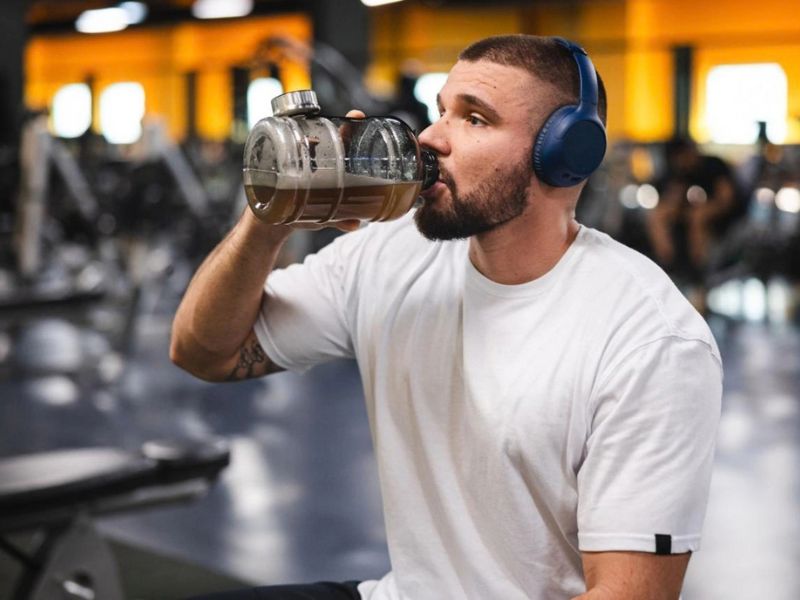
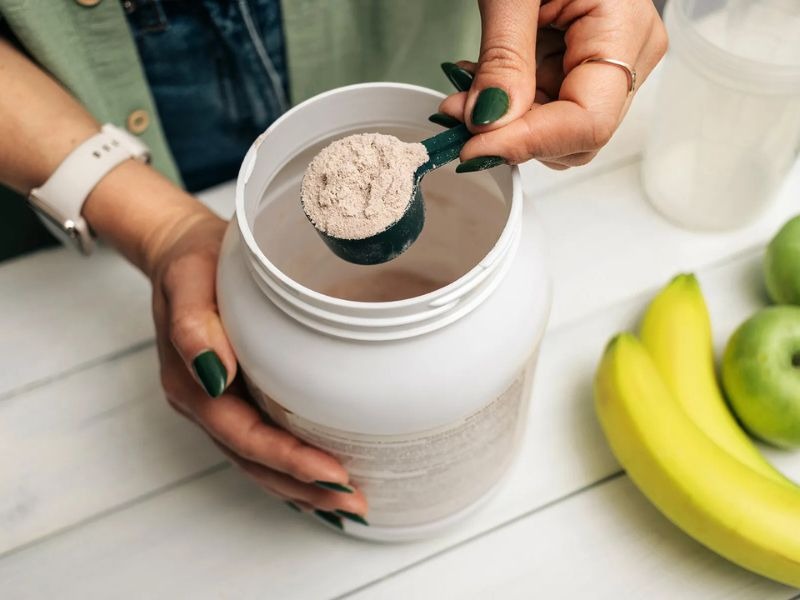
- A light protein shake with a carbohydrate source
How Long Before a Workout Should You Eat?
Meal timing depends largely on how much food you are eating. A larger meal may be better around 2 to 3 hours before training, while a smaller snack may work around 30 to 60 minutes before exercise.
The best approach is to avoid going into a workout feeling either extremely hungry or overly full.
Is It Okay to Work Out on an Empty Stomach?
Yes, some people can exercise comfortably without eating beforehand. This is often called fasted training.
For light exercise, walking or shorter sessions, some people may not need a pre-workout meal. However, training fasted does not automatically mean you will lose more body fat.
Fat loss still depends mainly on your overall calorie balance over time. If training without food causes dizziness, low energy, poor performance or excessive hunger later in the day, eating before your workout may be a better option.
What Should You Eat After a Workout?
After exercise, your body needs nutrients for recovery. A balanced post-workout meal should usually include protein, carbohydrates and fluids.
Post-workout meal ideas:
- Rice with dal and paneer
- Roti with vegetables and curd
- Oats with milk and fruit
- Eggs with toast
- Chicken with rice
- Tofu with rice or quinoa
- Protein shake with a banana
How Much Protein Should You Eat After a Workout?
You do not need an extremely large protein serving immediately after training. For many people, a normal protein-rich meal is enough.
A practical meal might provide around 20 to 40 grams of protein, depending on body size, total daily protein needs and the rest of your diet.
Do You Need to Eat Immediately After Exercise?
Not necessarily. The idea that you must consume protein within a very short 30-minute anabolic window is oversimplified.
Your body remains responsive to nutrients for several hours around a workout. If you ate a protein-rich meal one or two hours before training, there is usually less urgency to eat immediately afterward.
If you trained after several hours without food, having a balanced meal relatively soon after exercise may be more useful. For most people, eating within a few hours after training is perfectly reasonable.
Should You Eat Differently for Fat Loss?
If your goal is fat loss, meal timing still matters less than total calorie intake. You can eat before and after your workout and still lose fat if you remain in an appropriate calorie deficit.
- Adequate protein
- Controlled calorie intake
- Resistance training
- Enough fruits and vegetables
- Consistency
Should You Eat Differently for Muscle Gain?
For muscle gain, sufficient calories and protein become even more important. Eating before training can help support training performance, while a protein-rich meal afterward provides amino acids needed for muscle recovery.
- Enough total calories
- Adequate daily protein
- Carbohydrates for training
- Progressive resistance training
- Proper sleep and recovery
Before vs After Workout: Quick Comparison
| Factor | Before Workout | After Workout |
|---|---|---|
| Main purpose | Energy and performance | Recovery and muscle repair |
| Protein useful? | Yes | Yes |
| Carbohydrates useful? | Yes | Yes |
| Must eat immediately? | No | No |
| Useful for muscle gain? | Helpful | Helpful |
| Important for fat loss? | Depends on total calories | Depends on total calories |
Frequently Asked Questions
Is it better to eat before or after the gym?
Both can be useful. Eating before training may improve energy, while eating afterward supports recovery.
Can I eat 30 minutes before working out?
Yes, but keep the meal light. Fruit, yogurt, toast or a small shake may be easier to digest than a large meal.
Can I eat immediately after a workout?
Yes. If you are hungry and comfortable eating, there is no problem with eating straight after training.
Is a protein shake necessary after a workout?
No. A protein shake is simply a convenient option. Whole foods can provide protein just as effectively when your total intake is adequate.
Should I eat before morning workouts?
It depends. For short or low-intensity workouts, you may feel fine without food. For harder training, a small carbohydrate and protein snack may help.
Final Answer
You do not have to choose between eating before or after a workout. Both can play useful roles.
Eating before training can provide energy and help you perform better. Eating after training can support recovery, muscle repair and glycogen replenishment.
Focus first on total calories, daily protein, meal quality and consistency, then adjust meal timing based on what helps you train and recover best.