
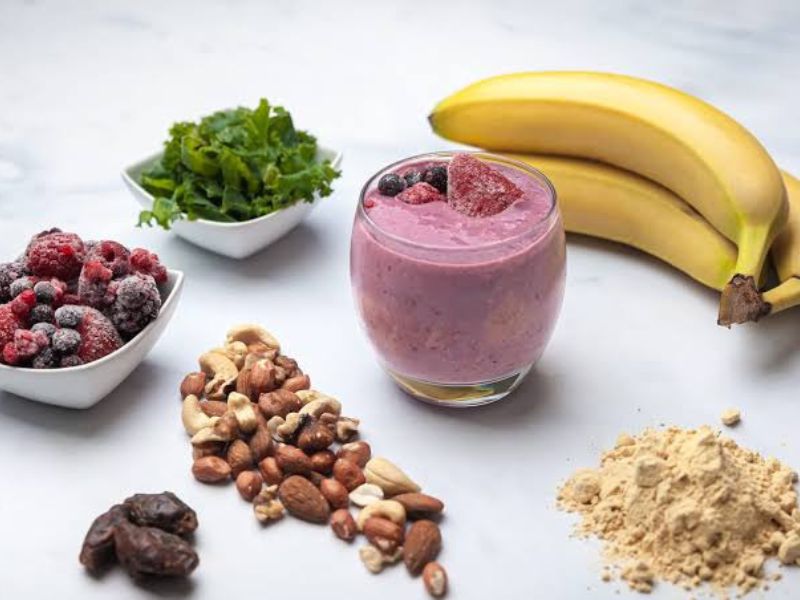
Protein Powder vs Natural Protein Foods: Which Is Better?
Natural protein foods should usually form the foundation of your diet, while protein powder is a convenient supplement when you struggle to meet your daily protein needs through food alone. Both can support muscle growth, recovery and overall protein intake.
Natural protein foods = complete nutrition + protein
Protein powder = convenient, concentrated protein
What Are Natural Protein Foods?
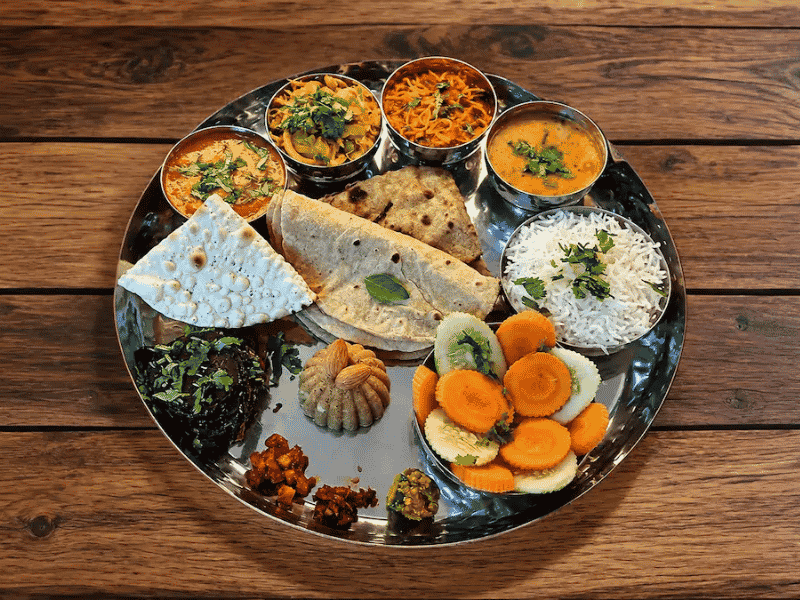
Natural protein foods are everyday foods that naturally contain meaningful amounts of protein. They also provide other nutrients that contribute to overall nutrition.
- Milk
- Curd or Greek yogurt
- Paneer
- Eggs
- Chicken
- Fish
- Soy and tofu
- Lentils
- Beans and chickpeas
- Nuts and seeds
These foods can provide protein along with carbohydrates, fats, vitamins, minerals and fibre, making them valuable for overall diet quality.
What Is Protein Powder?
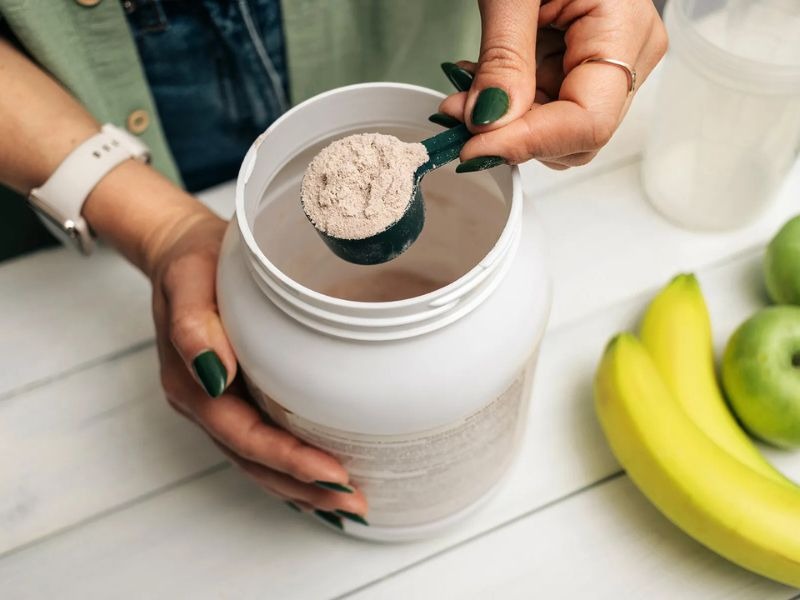
Protein powder is a concentrated source of dietary protein designed to make protein intake easier. It can be useful for people with busy schedules, athletes, gym-goers or anyone who finds it difficult to consume enough protein through regular meals.
Protein powder should generally be viewed as a supplement to your diet rather than a replacement for balanced meals.
Protein Powder vs Natural Protein Foods: Key Difference
| Factor | Protein Powder | Natural Protein Foods |
|---|---|---|
| Convenience | Very high | Depends on preparation |
| Protein concentration | Usually high | Varies |
| Preparation time | Minimal | Often higher |
| Micronutrients | Usually limited | Often broader |
| Fibre | Usually low | Can be high in plant foods |
| Best use | Filling protein gaps | Daily nutrition foundation |
Is Protein Powder Better for Muscle Gain?
Protein powder is not automatically better for muscle gain than natural protein foods. Muscle growth depends more on your total protein intake, resistance training, calorie intake, training progression, sleep and recovery.
Whey protein is popular because it provides a concentrated amount of high-quality protein and essential amino acids in a convenient serving. However, foods such as milk, eggs, paneer, fish, chicken and soy can also provide high-quality protein.
Are Natural Protein Foods Healthier?
Natural foods generally have an advantage when it comes to overall nutrition because they can provide a wider range of nutrients.
For example, curd may provide protein along with calcium, while lentils provide protein together with carbohydrates, fibre and micronutrients. Protein powders are more specialised, with their main purpose being to provide protein conveniently.
Is Protein Powder Better for Weight Loss?
Protein powder can be useful during a fat-loss diet, but it does not directly cause weight loss. Weight loss mainly depends on maintaining an appropriate calorie deficit over time.
Protein can help support muscle maintenance, while a protein shake may provide a convenient option when you do not have time to prepare a full meal. Whole foods may sometimes be more filling because they can contain fibre, water and other nutrients.
Can You Get Enough Protein Without Protein Powder?
Yes. Protein powder is not essential. Many people can meet their protein requirements entirely through regular food.
- Paneer
- Milk and curd
- Tofu
- Soy chunks
- Dal
- Chickpeas
- Beans
- Nuts and seeds
The challenge is often convenience rather than possibility. Someone with higher protein needs may find it difficult to prepare enough protein-rich meals every day.
When Does Protein Powder Make Sense?
Can Protein Powder Replace Meals?
Usually, protein powder should not replace balanced meals regularly. A protein shake primarily provides protein, while a complete meal may provide protein, carbohydrates, healthy fats, fibre, vitamins and minerals.
Protein Powder vs Natural Protein Foods for Vegetarians
For vegetarians, both options can work well. Natural foods such as paneer, curd, milk, tofu, soy, lentils and beans can contribute significantly to daily protein intake.
However, vegetarian diets can sometimes require more planning when protein needs increase. In such cases, whey protein or a suitable plant-based protein powder can provide a convenient way to increase protein intake without dramatically increasing meal volume.
Frequently Asked Questions
Is protein powder as good as food?
Protein powder can provide high-quality protein, but whole foods generally provide a wider range of nutrients. Protein powder is best used for convenience.
Is natural protein better than whey protein?
Neither is universally better. Natural foods are stronger for overall nutrition, while whey protein may be more convenient for increasing protein intake.
Can beginners take protein powder?
Yes, if needed. Beginners do not specifically require protein powder, but they can use it when their normal diet does not provide enough protein.
Is protein powder necessary after the gym?
No. Any suitable protein-rich meal can work after exercise. Protein powder is simply a convenient option.
Can I build muscle without protein powder?
Yes. You can build muscle using protein from regular foods as long as your overall protein intake, calories, training and recovery support muscle growth.
Final Answer
Natural protein foods are generally the better foundation for your diet, but protein powder can be a useful and convenient addition.
Choose whole foods for overall nutrition and use protein powder when you need an easier way to meet your protein target.
Eat protein-rich foods regularly and use protein powder when it helps fill the gap.