
6 Fitness Myths You Need to Stop Believing
If you’ve ever tried to get fitter, chances are you’ve been bombarded with advice — from friends, social media, gym buddies, and the internet. Some of it sounds convincing. Some of it sounds scientific. And some of it is simply wrong.
Fitness misinformation doesn’t just slow progress — it can lead to frustration, injury, or even giving up altogether. Let’s break down six common fitness myths that still confuse people today and replace them with facts that actually help.
Myth 1: Exercise Alone Will Lead to Quick Weight Loss
This is one of the most common misconceptions.
The truth: Exercise is important, but weight loss doesn’t happen through workouts alone. Nutrition plays an equally — if not more — important role.
While exercise burns calories, the number is often overestimated. For example, walking or running a mile may burn around 100 calories, but your body already burns nearly half of that just to keep you alive during the same time.
Where exercise really helps:
- Building muscle
- Improving metabolism
- Increasing long-term calorie burn
Takeaway: Exercise supports weight loss, but sustainable results come from combining movement with a balanced diet.
Myth 2: More Sweat Means More Fat Loss
Sweat is often seen as proof of a “good workout.”
The truth: Sweat is simply your body’s cooling system. It regulates body temperature — it does not burn fat.
You may sweat more because:
- The environment is hot
- You’re dehydrated
- You’re wearing heavy or non-breathable clothing
Excessive sweating can even be a sign that you’re pushing too hard.
Takeaway: Fat loss comes from consistency in training and nutrition — not from how soaked your clothes are.
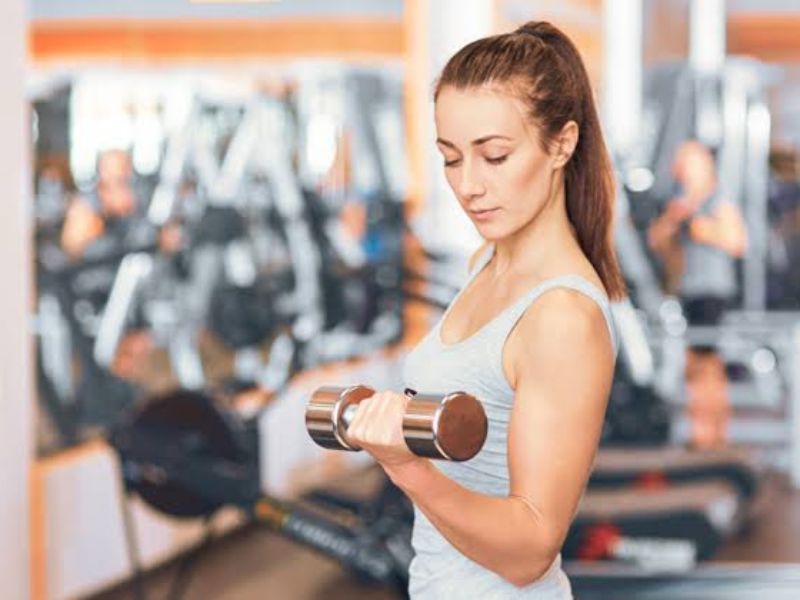
Myth 3: Women Who Lift Weights Will Look Bulky
This fear keeps many women away from strength training.
The truth: Muscle growth is strongly influenced by testosterone, and women naturally have much lower levels of this hormone than men. This makes it extremely difficult to gain large, bulky muscles unintentionally.
What strength training actually does for women:
- Improves body shape and tone
- Increases strength
- Boosts metabolism
- Enhances bone health
Takeaway: Lifting weights won’t make women look “manly” — it makes them stronger, healthier, and more confident.
Myth 4: Treadmill Running Is Easier on Your Joints Than Outdoor Running
Many believe treadmills are safer for the knees.
The truth: Joint stress mainly depends on body weight, impact, and running mechanics — not whether you’re running indoors or outdoors.
What matters more:
- Proper footwear
- Correct running form
- Workout variety
Mixing running with low-impact cardio like cycling, swimming, or rowing helps reduce joint strain.
Takeaway: Variety in training matters more than the surface you run on.
Myth 5: You Must Stretch Before Working Out to Prevent Injury
Stretching is important — but timing is key.
The truth: Static stretching before exercise, when muscles are cold, can actually increase injury risk.
A better approach:
- Start with a light warm-up
- Gradually ease into your workout movements
- Stretch after training, when muscles are warm
Takeaway: Warm up first. Stretch later.
Myth 6: It’s Too Late to Start Exercising if You Didn’t When You Were Young
This belief stops many people before they even begin.
The truth: It is never too late to start exercising.
Studies show that people who begin physical activity later in life still experience:
- Better mobility
- Improved heart health
- Longer lifespan
- Better overall quality of life
The key is to start gradually and choose activities that match your current fitness level.
Takeaway: The best time to start was yesterday. The second-best time is today.
Final Thoughts
Fitness doesn’t have to be complicated — but it does need to be informed.
By letting go of outdated myths and focusing on evidence-based habits, you can:
- Train smarter
- Reduce injury risk
- Stay consistent
- Enjoy the process more
Fitness is a lifelong journey. The clearer your understanding, the easier it becomes to stick with it.