
3 Tasty Meals to Support Muscle Growth
Simple, nourishing meals for growing athletes
When people talk about muscle growth, protein usually steals the spotlight — and yes, it matters. But building strong, healthy muscles (especially in young athletes) is not just about protein shakes or eating more chicken.
Real progress comes from balanced meals that fuel training, recovery, and overall growth.
Young athletes are still developing, which means their nutrition needs are different from adults. They require enough energy, quality carbohydrates, healthy fats, vitamins, and — of course — protein to support both training and daily activity.
Below are practical, easy-to-prepare meal ideas that support muscle growth without overcomplicating nutrition. Before the recipes, here are a few basics every parent and athlete should understand.
What Growing Athletes Really Need for Muscle Growth
1. Protein Matters — But Balance Matters More
Protein helps repair and build muscle after training. For teens, a practical daily target is roughly 1.3–1.6 grams of protein per kilogram of body weight.
Instead of obsessing over numbers, think in simple portions:
- One palm-sized portion of protein (eggs, tofu, chicken, paneer, beans) provides ~20g protein
- Spreading protein across meals works better than consuming it all at once
2. Complete Proteins Are Important
Muscles need essential amino acids — especially leucine — to grow.
- Animal foods like eggs, dairy, chicken, and fish naturally provide complete proteins
- Plant proteins work well when paired smartly (beans + rice, lentils + whole grains)
3. Carbohydrates Are Not the Enemy
Carbohydrates fuel workouts and support muscle growth. Around half of an athlete’s daily intake should come from quality carbs such as:
- Whole grains
- Fruits and vegetables
- Beans and legumes
Without enough carbs, protein cannot do its job effectively.
4. Vitamin D Supports Strength
Vitamin D plays a role in muscle function and bone health. Many athletes — especially those training indoors — may not get enough.
Including fortified dairy, yogurt, or fatty fish can help support healthy levels.
5. Let Athletes Control Their Portions
Instead of serving fixed plates, allow athletes to build their own meals. This encourages them to eat according to hunger and activity levels and helps prevent under-fueling — a common issue in young athletes.
3 Simple, Muscle-Supporting Meals
These meals are flexible, budget-friendly, and ideal for batch cooking. Each serves 4–6 people and can easily be adjusted for bigger appetites.
1. Three-Bean Chili (Plant-Powered & Filling)
Why it works: Delivers protein, fiber, and slow-digesting carbohydrates — ideal for recovery and sustained energy.
Ingredients
- Black beans, white beans, chickpeas (canned, drained)
- Diced tomatoes and tomato purée
- Onion
- Spinach (fresh or frozen)
- Mixed vegetables (peppers, carrots, mushrooms, broccoli)
- Chili seasoning
- Brown rice or quinoa
- Optional: ground chicken, beef, or plant-based alternative
How to Prepare
Combine all ingredients (except rice) and simmer slowly to develop flavor. Serve over rice or quinoa and allow athletes to choose toppings like cheese, yogurt, avocado, or tortilla chips.
2. Whole-Wheat Pasta with Meat or Veggie Sauce
Why it works: Balances carbohydrates and protein — perfect for post-practice dinners.
Ingredients
- Ground beef or plant-based protein
- Crushed tomatoes
- Onion
- Spinach
- Italian seasoning
- Whole-wheat pasta
How to Prepare
Cook the protein with onions, add tomatoes and seasoning, and simmer. Serve over pasta. Make extra — leftovers are ideal for busy training days.
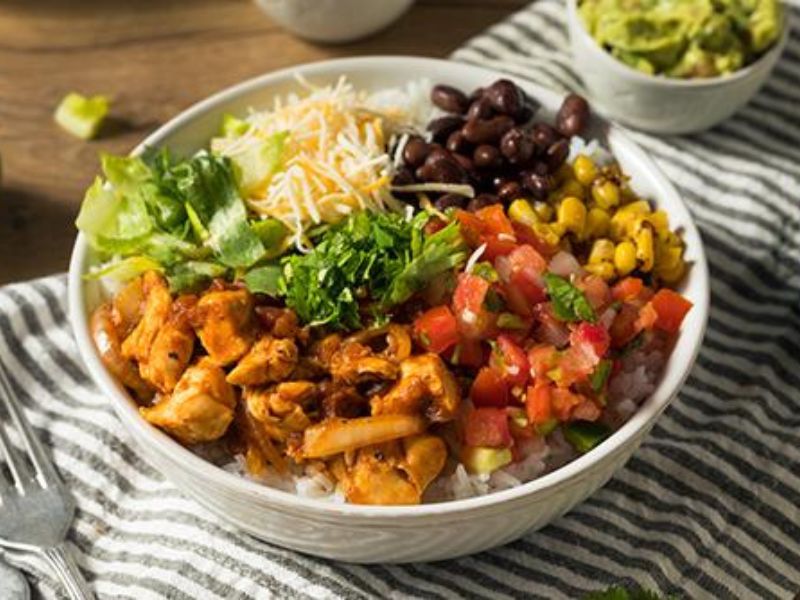
3. Build-Your-Own Burrito Bowls
Why it works: Customizable, balanced, and packed with muscle-supporting nutrients.
Ingredients
- Ground beef, chicken, or vegetarian alternative
- Brown rice or quinoa
- Bell peppers, onions, spinach
- Burrito seasoning
- Olive oil
Toppings
- Tomatoes
- Avocado
- Cheese
- Yogurt
- Salsa
- Tortilla chips
How to Prepare
Cook grains separately. Sauté protein with vegetables and seasoning. Lay everything out and let athletes assemble their own bowls.
Key Takeaway
Muscle growth doesn’t come from complicated diets or strict rules. It comes from consistent fuel, enough food, and balanced meals.
Young athletes should eat to support their training — not restrict intake or copy adult portion sizes.
Focus on:
- A palm of protein
- A fist of carbohydrates
- Colorful vegetables
- Enough food to satisfy hunger
Simple meals, flexible portions, and regular eating habits go a long way in supporting strength, performance, and long-term health.
Strong bodies are built one balanced meal at a time.